

Key Insight
To buy land in North Carolina, verify five things before you close: legal road access, zoning and watershed limits, clear title, boundary lines from a current survey, and buildability through a county septic Improvement Permit or a confirmed sewer tap. North Carolina is also an attorney closing state, so a licensed NC attorney must handle your deed. The land price is rarely the biggest number in the deal. Site development usually is.
- Define your land goal and the non-negotiables
- Budget for the real number, not the price per acre
- Where to find land for sale around Lake Norman and Charlotte
- Zoning, watershed overlays, and what you can actually build
- Access and easements, or the landlocked lot problem
- Buildability: septic Improvement Permits, wells, and utilities
- Lake Norman waterfront lots and the Duke Energy dock question
- Survey, title, financing, and closing in an attorney state
- Bonus: your due diligence checklist and first 30 days
1. Define your land goal and the non-negotiables
Most people search on Google or ChatGPT for "land for sale near Lake Norman" before they know what they want the land to do. That order is backwards.
The right parcel for a weekend cabin is the wrong parcel for a build-ready home site. The right parcel for a long term hold is often the worst parcel to build on right now.
Answer these five questions first
- Intended use. Primary home, second home, investment hold, recreation, or agriculture.
- Timeline. Build within 12 months, build in five years, or never build.
- Location and commute. Cornelius and Davidson trade acreage for proximity. Iredell, Lincoln, and Cabarrus trade drive time for land.
- Minimum usable acreage. Usable is the word that matters, not gross.
- Access standard. Paved public road, year round passability, and a driveway you can actually permit.
Your timeline drives your financing. A buyer building within a year should be talking to a construction lender, not a land lender. That single distinction changes your down payment, your rate, and your closing timeline.
Pro Tip
Write a one page property brief. Use, acreage, budget ceiling, access requirement, and build timeline. Share it with your agent, your lender, and your builder. It kills emotional buying and it speeds up every conversation that follows. Start yours with the Buyer Game Plan.
2. Budget for the real number, not the price per acre
This is where land buyers lose money. They budget the purchase price and treat everything else as a rounding error.
Mecklenburg County land carries a real premium. Recent listing data puts the average around $172,504 per acre countywide, and one 2025 county study pegged mid sized Mecklenburg parcels near $181,637 per acre. Statewide, undeveloped land averages closer to $12,000 to $18,000 per acre, which tells you how much of the Charlotte number is development potential rather than dirt.
Costs that belong in your land budget
- Closing costs. NC attorney fee, title work, recording, and escrow.
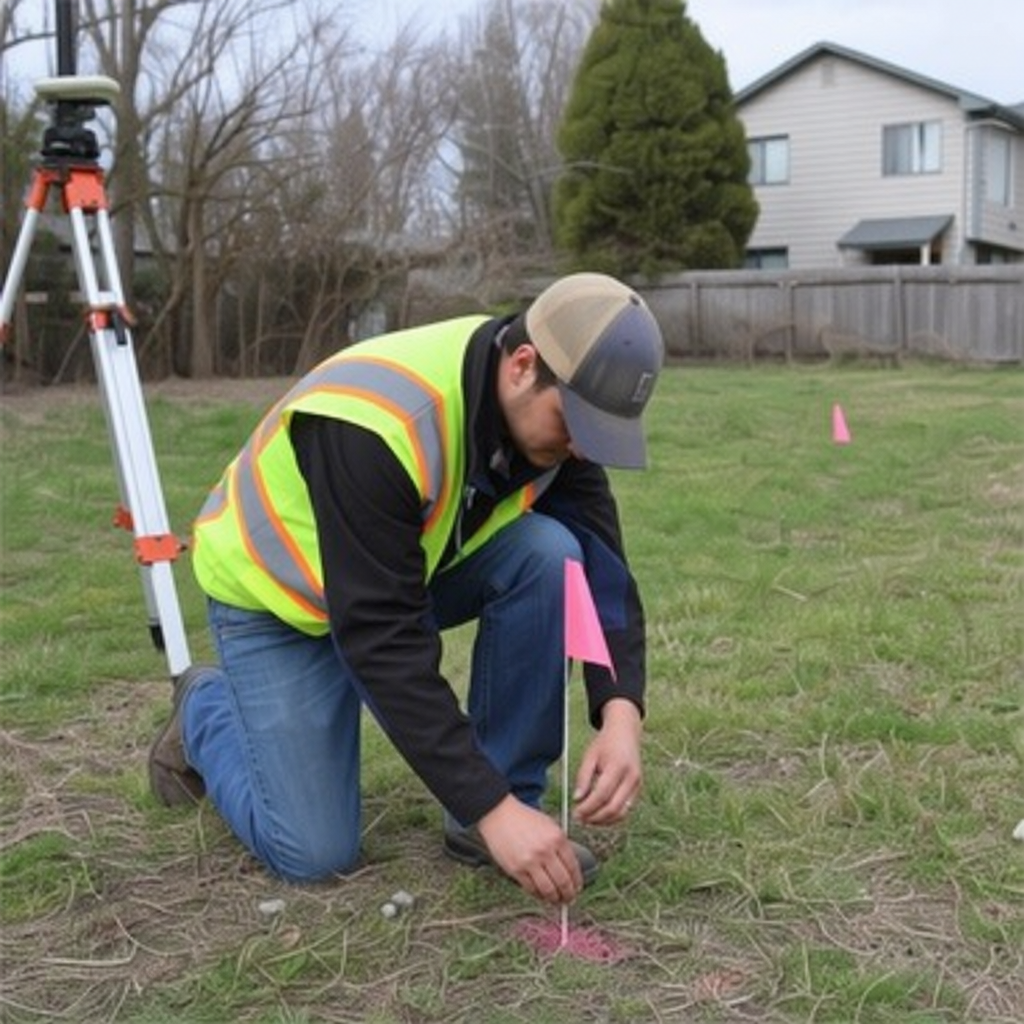
- Due diligence. Survey, soil evaluation, and permit applications.
- Site work. Clearing, grading, driveway, culvert, and stormwater.
- Utilities. Power extension, water tap or well, sewer tap or septic, and internet.
- Holding costs. Property taxes, liability insurance, and basic maintenance.
Cash versus financed
Cash simplifies negotiation and shortens closing. Financing preserves liquidity for the site work that starts the day after you close.
Ask yourself which one you need more: leverage at the negotiating table, or capital in the ground. Run both scenarios in the Mortgage Calculator and the Affordability Calculator before you decide.
A cheap lot with a long driveway, an engineered septic, and a power extension is not a cheap lot. It is an expensive lot with a small deposit.
Coach Brock Zevan
3. Where to find land for sale around Lake Norman and Charlotte
The best parcels in this market often never reach the big national sites. Builders, neighbors, and estate situations move first.
Sources worth working
- Canopy MLS through a local broker. Lot and land searches with real sold comps. Start at Search Listings.
- County GIS and tax assessor maps. Mecklenburg, Iredell, Lincoln, Cabarrus, and Catawba all publish parcel data.
- Builder leftovers. Subdivision remnant lots that never sold, often already utility served.
- Direct owner outreach. Letters to owners of target parcels, especially absentee and inherited holdings.
- Auctions and estate sales. Real opportunity, but the diligence burden shifts almost entirely to you.
Fast listing triage before you tour
- Confirm road access is legal and recorded, not just visible on a satellite view.
- Read the utility notes carefully. "None" means you are paying to bring them.
- Check FEMA flood indicators, wetlands flags, and steep slope warnings.
- Verify the parcel ID and compare acreage across MLS, GIS, and the deed.
- Look for an active septic Improvement Permit in the listing remarks.
Pro Tip: Acreage discrepancies between the MLS, the tax card, and the deed are common and they are not automatically a problem. They are a signal that nobody has surveyed this parcel recently, which means you should. Review Recent Sold Homes and Land to see what comparable parcels actually closed at.
4. Zoning, watershed overlays, and what you can actually build
Zoning makes or breaks a land purchase. Do not assume you can build a house because the neighbors have houses.
Around Lake Norman there is a second layer most buyers miss. The Catawba River watershed brings water quality buffers and impervious surface limits that can shrink a buildable envelope dramatically, even on a large parcel.
What to confirm with the planning office
- Permitted use. Is a single family residence allowed by right on this specific parcel?
- Minimum lot size and road frontage. Both can disqualify an otherwise attractive parcel.
- Setbacks and impervious limits. Watershed overlays often cap the percentage you can cover.
- Driveway and fire access standards. Long private drives frequently trigger turnaround requirements.
- Restrictions on manufactured homes, ADUs, and short term rentals. These vary town by town.
The rollback tax trap
If a parcel has been enrolled in North Carolina's present use value program for farm, forest, or horticulture, changing that use can trigger deferred taxes. Buyers can be exposed to up to three years of rollback taxes plus interest.
Ask directly whether the parcel is in present use value. Then decide who pays the rollback in the contract, before you sign it.
Key Insight
Call the county planning department before you write the offer, and put the question in writing: "Is a single family residence permitted on parcel APN [number], and what permits are typically required?" Keep the date, the name of the person you spoke with, and the answer. That note has settled more disputes than any handshake.
5. Access and easements, or the landlocked lot problem
A parcel can sit fifty feet from a paved road and still be landlocked. Legal access and physical access are two separate tests, and you need both.
Verify all four
- Legal access. Recorded easement or deeded frontage on a public right of way.
- Physical access. Road condition, grade, seasonal washouts, bridges, and culverts.
- Maintenance responsibility. Private road agreement, shared driveway terms, or HOA obligation.
- Utility easements. These are access for someone else, and they limit where you can build.
"You can just use the neighbor's driveway" is not legal access. Unless there is a recorded easement running with the land, you have a handshake that expires when the neighbor sells. This is the single most common reason land deals collapse in the Charlotte region.
Pro Tip
Drive the access route in bad weather if you can, and drive it in a normal passenger vehicle. A gravel drive that a truck handles fine in July can be impassable in a February freeze, and your builder's concrete trucks will not attempt it either way.
6. Buildability: septic Improvement Permits, wells, and utilities
This is the most expensive mistake available to a North Carolina land buyer. It is not overpaying. It is closing on a lot that cannot support the septic system your house needs.
North Carolina uses a three permit ladder for on site wastewater. The Improvement Permit comes first and confirms the soil can support a system. The Construction Authorization comes second. The Operation Permit comes last. You cannot skip a rung, and an Improvement Permit is valid for five years once issued.
Two paths to a soil evaluation
- County pathway. Environmental health schedules the evaluation. Permit fees commonly run $200 to $400, but busy counties including Mecklenburg can run four to eight weeks.
- Private AOWE pathway. An Authorized On Site Wastewater Evaluator typically costs $300 to $800 and can often reach the site in one to two weeks. The county still issues the official permit.
- Either way, budget the time. A soil evaluation generally runs $300 to $1,000 and two to four weeks, longer where there is a backlog.
North Carolina overhauled its septic rules effective January 1, 2024 under 15A NCAC 18E, the first major rewrite in decades. It changed how soil is evaluated and how systems are designed, including how saprolite is assessed. If you are reading a permit issued before 2024, the assumptions inside it may no longer match current practice.
Utility checklist
- Power. Distance to the nearest pole or transformer, and the extension fee in writing.
- Water. Public tap availability and cost, or well feasibility and depth in the area.
- Sewer. Is there a line at the road, and is there capacity plus a tap fee.
- Internet. Fiber, cable, or fixed wireless. This is a resale factor now, not a luxury.
- Drainage. Wetlands, seasonal water table, and where stormwater actually goes.
Pro Tip: If the seller already holds an active Improvement Permit, that is one of the most valuable documents you can receive. Check the issue date. A permit from 2021 is still inside its five year window but it is closing fast, and it predates the 2024 rule rewrite.
7. Lake Norman waterfront lots and the Duke Energy dock question
Lake Norman is a hydroelectric reservoir. Duke Energy created it, manages it under a federal license, and controls the shoreline and lakebed.
Your property line ends at full pond elevation, the 760 line, which marks the water surface when the lake is completely full at 760 feet above sea level. Everything at or below that line sits on Duke's property under Duke's rules through the Catawba Wateree Shoreline Management Program.
Translation for a vacant waterfront lot: buying the land does not buy you a dock. It buys you the right to apply.
What to verify before you write the offer
- Shoreline classification. Every segment carries a class that governs dock size, placement, and whether covered structures are even considered.
- Linear feet of developable shoreline. A lot with under 100 linear feet generally will not be considered for a pier unless it was subdivided and recorded before September 1, 2006.
- Size allowance. Private residential docks are commonly capped near 1,000 square feet with at least 100 linear feet of developable shoreline. Pre September 2006 lots with 75 feet or more may qualify for roughly 10 square feet of pier per linear foot.
- Parallel approvals. Army Corps of Engineers, NC DEQ, county building and stormwater, and any HOA covenants that are stricter than Duke.
- Timeline. Applications go through Duke's Lake Access Permit System and review can run 30 to 90 days depending on complexity and outside agency involvement.
Call Duke Energy Lake Services at 800.443.5193 during your due diligence period, not after closing. Ask about the specific parcel, the shoreline class, and whether a pier is feasible at the size you have in mind.
On Lake Norman, waterfront value is not measured in feet of frontage. It is measured in what Duke will let you build on those feet.
Coach Brock Zevan
8. Survey, title, financing, and closing in an attorney state
Three documents protect a land buyer: a current survey, a clean title commitment, and a contract with a due diligence period long enough to use both.
Survey and title
- Order a new survey if corners are missing, the parcel is irregular, or you plan improvements.
- Read the title exceptions list, not just the summary page. That is where old easements hide.
- Confirm the seller on the deed matches the person selling. Wholesaler confusion is real.
- Check liens, judgments, and tax delinquencies including any deferred present use value taxes.
- Ask whether mineral, timber, and water rights convey. They do not always.
Financing reality in 2026
- Rates. Land loans in 2026 generally run about 6.5 to 10 percent, roughly 1 to 3 points above conventional home mortgage pricing.
- Down payment. Improved lots with utilities and road access often start near 15 to 25 percent. Unimproved land runs 20 to 35 percent. Raw land can reach 30 to 50 percent.
- Credit. Most lenders want 640 to 700 minimum, with the best pricing at 720 and above.
- Term. Often 5 to 20 years, frequently with a balloon rather than a 30 year amortization.
- Building soon? A construction to permanent loan usually beats a land loan on both rate and down payment. Ask Brock's Preferred Lenders which they offer.
The offer and the closing
North Carolina is an attorney closing state. A licensed NC attorney handles your deed and closing, not a title company alone. Build that into your timeline and your budget.
Your offer should spell out purchase price, earnest money, the length of the due diligence period, access rights for testing, and clear contingencies for title, survey, zoning confirmation, financing, and soil. Name your inclusions and exclusions specifically: gates, fencing materials, timber rights, well equipment.
A generic land purchase agreement template is a starting point, not a finish line. Terms vary by county and by parcel type. Have an attorney or a land experienced broker adapt it.
Key Insight
If a seller resists a reasonable due diligence period, treat that as information. Sellers with clean parcels welcome inspection. Sellers with problems want speed.
Bonus: your due diligence checklist and first 30 days
Put this in the contract, not in your head. A written diligence plan with a matching contingency period is what separates a disciplined land buyer from an expensive story.
During due diligence
- Zoning and use confirmation in writing from the county, plus a permit overview.
- Survey review with access, easements, and setbacks mapped.
- Title commitment reviewed line by line with your NC attorney.
- Soil evaluation and Improvement Permit plus driveway feasibility.
- Utility quotes and a revised budget based on real numbers, not estimates.
First 30 days after closing
- Mark your corners from the survey and photograph the property condition.
- Secure the parcel. Signage and gates where appropriate.
- Set up tax mailing and liability insurance in your name.
- Start permits and site planning if you are building.
- Collect contractor bids while your diligence data is still current.
How to avoid land scams
Vacant land is the easiest real estate to fraudulently list, because nobody lives there to raise an alarm. The patterns repeat: a seller who will not meet, insists on a wire, and claims to be out of the country. A price far below market with urgency pressure. Refusal to use a title or escrow company. Photos that do not match the parcel maps.
Verify the owner through county records. Use a reputable closing attorney. Never wire funds to instructions you have not confirmed by phone. Visit the parcel or send someone local.
Helpful links from Brock
- Search Listings (homes, lots, and land across Lake Norman and Charlotte)
- See Recent Sold Homes (real closed comps, not asking prices)
- Buyer Game Plan (build your property brief)
- Seller Game Plan (selling land or a home)
- Sell Your Home or Lot (listing strategy and positioning)
- Free Property Evaluation (what your land or home is worth now)
- Mortgage Calculator (model a land or construction payment)
- Affordability Calculator (set your real ceiling)
- Preferred Lenders (land and construction to permanent financing)
- Novation and Creative Sale Options (problem properties and inherited land)
- Reviews (what clients say)
- About Brock the Realtor (background and specialties)
- Coaching with Brock (BZ Three Coaching)
- Book Brock to Speak (events and keynotes)
- Meet the BZ Three Team (who you work with)
- Community Involvement (local roots)
- Brock's Broadcast (market and mindset content)
- Brock's Books (strategy and mindset reading)
- Upcoming Events (training and community events)
- Read More Brock Blogs (market updates and buyer guides)
- Contact Brock (704-345-3400)
Frequently Asked Questions
- Can you get a regular mortgage to buy land in North Carolina?
No. Vacant land requires a land loan, a lot loan, or a construction to permanent loan. A standard mortgage requires an existing structure as collateral. - How much does an acre of land cost near Charlotte and Lake Norman?
Mecklenburg County averages roughly $172,504 per acre on current listings, with a 2025 study putting mid sized parcels near $181,637 per acre. Metro area developable land across NC commonly runs $80,000 to $200,000 or more per acre, while statewide undeveloped land averages closer to $12,000 to $18,000 per acre. Road frontage, utilities, and zoning drive most of the spread. - What is an Improvement Permit in North Carolina?
It is the first of three septic permits. It confirms your soil and site can support a system and specifies the system type and bedroom capacity. It does not authorize construction. It is valid for five years. - How long does a soil evaluation take in Mecklenburg County?
The county pathway commonly runs four to eight weeks in busy counties like Mecklenburg. A private Authorized On Site Wastewater Evaluator can often be on site in one to two weeks. - What does a soil evaluation cost?
Generally $300 to $1,000. County permit fees commonly run $200 to $400. A private AOWE evaluation typically runs $300 to $800. - Do I need an attorney to buy land in North Carolina?
Yes. North Carolina is an attorney closing state, so a licensed NC attorney must handle the deed and closing. A title company alone is not sufficient. - What are rollback taxes in North Carolina?
If a parcel was enrolled in the present use value program for farm or forest use and that use changes, deferred taxes can come due. Exposure can reach up to three years of rollback taxes plus interest. Decide who pays in the contract. - If I buy a waterfront lot on Lake Norman, can I build a dock?
Only with Duke Energy's approval. Lake Norman is a Duke Energy reservoir, and every structure at or below full pond sits on Duke's property under the Catawba Wateree Shoreline Management Program. Buying the lot buys you the right to apply, not the dock. - What is the 760 line on Lake Norman?
It is full pond elevation, the water surface when the lake is 100 percent full at 760 feet above sea level. Your private property line generally ends there. - How much shoreline do I need for a dock on Lake Norman?
A lot with less than 100 linear feet of developable shoreline generally will not be considered for a pier unless it was subdivided and recorded before September 1, 2006. Private residential docks are commonly capped near 1,000 square feet where there is at least 100 linear feet. - How long does a Duke Energy dock permit take?
Applications go through Duke's Lake Access Permit System. Review commonly runs 30 to 90 days depending on complexity and whether the Army Corps or NC DEQ must weigh in. Duke Lake Services can be reached at 800.443.5193. - How much down payment do I need for a land loan in 2026?
Improved lots with utilities and access often start around 15 to 25 percent. Unimproved land typically runs 20 to 35 percent. Raw land can require 30 to 50 percent. - What are land loan interest rates in 2026?
Most lenders are quoting roughly 6.5 to 10 percent, commonly 1 to 3 points above conventional home mortgage pricing. Terms are often 5 to 20 years, frequently with a balloon. - What credit score do I need for a land loan?
Most lenders want 640 to 700 minimum, with the best pricing typically at 720 and above. Below that range, seller financing becomes the more realistic path. - What is the difference between raw, unimproved, and improved land?
Raw land has no utilities, no road access, and no site work. Unimproved land has partial infrastructure. Improved lots have utilities at or near the parcel plus legal road access, and they finance the most easily. - Do I really need a new survey if the seller has an old one?
Ask for the old one, then order a new one if corners are missing, the parcel is irregular, or you plan to build or fence. A survey confirms acreage, identifies encroachments, and maps your buildable envelope. - Is buying land a good investment in the Lake Norman area?
It can be, but the return usually comes from buying right rather than from broad appreciation. Access, zoning, and site cost determine your outcome more than the per acre price you negotiate. Talk it through before you commit.
What Clients Are Saying
Real results from real people working with Coach Brock.
★★★★★
"Brock laid out the plan up front, and then his team executed it faster than I thought was possible. I have sold three times before and nothing came close to this. They kept me in the loop at every single step, morning and afternoon, and answered every question I had."
Verified Client Lake Norman area - Seller
★★★★★
"Three days before closing my lender pulled out over an income issue and I was devastated. Brock did not flinch. He had a new lender lined up and kept the purchase alive. Without him I would not have closed on my home in Charlotte."
Verified Client Charlotte, NC - Buyer
★★★★★
"From start to finish the professionalism, attention to detail, and speed of response blew us away. Buying and selling is never easy, but Brock made it seamless. We will work with him on every future transaction."
Verified Client Huntersville, NC - Buyer and Seller
Final thought
Land rewards buyers who verify. Confirm access, zoning, title, boundaries, and buildability before you commit, and the rest of the process gets a lot quieter. If you are looking at a lot or acreage anywhere around Lake Norman or Charlotte, send me the parcel number and let us pressure test it together.
Call or text Brock at 704-345-3400
Brock Zevan, Broker, North Carolina License #256028, Real Brokerage LLC. This article is general information and is not legal, tax, engineering, or lending advice. Land prices, loan terms, permit fees, county rules, and Duke Energy shoreline guidelines change and vary by parcel. Verify all zoning, septic, access, title, watershed, and shoreline requirements directly with the applicable county, NC DEQ, the U.S. Army Corps of Engineers, Duke Energy Lake Services, and a licensed North Carolina attorney before making an offer or closing. Equal Housing Opportunity.
FROM OUR BLOG

Is North Carolina Expensive to Live In? A Lake Norman Cost of Living Reality Check
Market Guide Is North Carolina Expensive to Live In? A Lake Norman Cost of Living Reality Check Most people search Google or ChatGPT for a statewide number. That number will not tell you what a home in Cornelius, Davidson, Huntersville, or Mooresville actually costs you every month. Here is the real
What Should You Know Before Buying Land in Western NC?
Buying Strategy What Should You Know Before Buying Land in Western NC? Mountain land sells the view. It does not sell the septic permit, the road agreement, or the tax bill that follows you to closing. Here is the due diligence that separates a smart buy from an expensive lesson. Brock Zevan·Real Br

Wilmington NC Commercial Real Estate: What Lake Norman Owners Need to Know Before Buying on the Coast
Commercial Real Estate Wilmington NC Commercial Real Estate: What Lake Norman Owners Need to Know Before Buying on the Coast Wilmington keeps landing on investor shortlists, and the 2026 numbers explain why. This guide covers the property types, the live vacancy and cap rate data, and the coastal ru